Durable Power of Attorney and Its End at Death: What You Need to Know
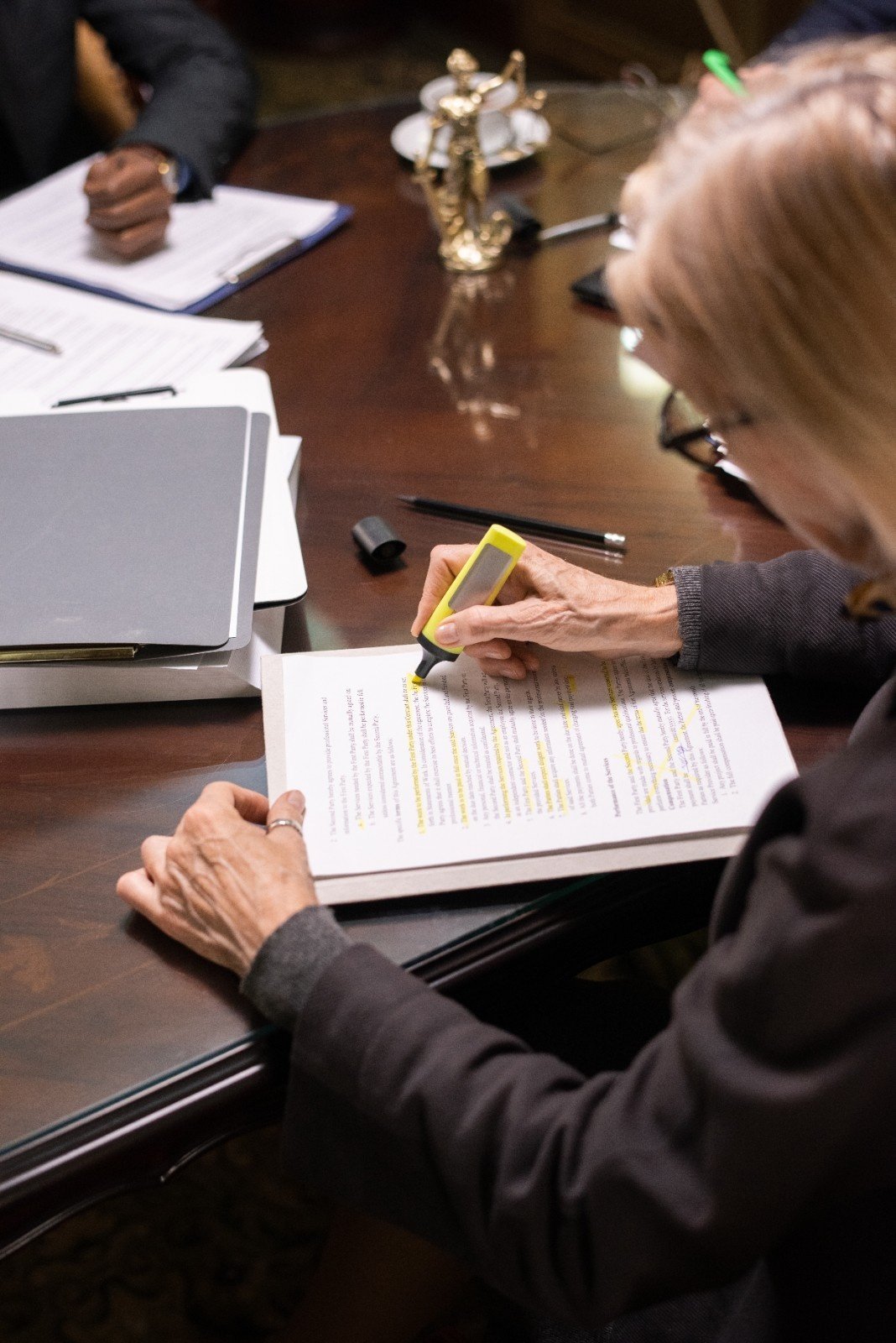
Durable power of attorney for medical decisions
Planning ahead isn’t just about what happens after you’re gone. It’s also about making sure the right people can help when you can’t help yourself. And that’s where the Durable Power of Attorney — or DPOA — comes in.
If you’ve heard the term but aren’t quite sure what it does (or doesn’t do), you’re not alone. One of the most misunderstood facts about this powerful document is this: a Durable Power of Attorney stops working the moment you die.
That single truth catches many families off guard — often at the worst possible time. So let’s walk through exactly what a DPOA does, when it ends, and how to make sure your broader estate plan fills in the gaps.
First, What Is a Durable Power of Attorney for medical decisions?
A Durable power of attorney for medical decisions is essentially a legal permission slip. It allows someone you trust — your agent — to handle financial or legal matters on your behalf. That could mean paying bills, signing checks, managing property, or dealing with government agencies.
What makes it “durable”? It remains valid even if you become mentally or physically incapacitated. Without it, your loved ones might have to go to court just to gain basic authority to help — a stressful, expensive process that can be avoided with this one document.
But Here’s the Catch: It Ends When You Die
This part is key. The moment the person who created the DPOA passes away, the document becomes legally useless. The agent you appointed no longer has any power to act. From that point on, it’s the executor’s job — not the agent’s — to handle things.
Unfortunately, not everyone realizes this. It’s not uncommon for someone to try to use their DPOA after a loved one’s passing, only to run into legal roadblocks and frozen accounts. And that creates more confusion and frustration during an already emotional time.
So Who Steps In After Death?
That’s where your executor comes in — the person named in your will to carry out your final wishes. They take over managing the estate: gathering your assets, settling debts, and distributing property to your beneficiaries.
This process often goes through probate, which is the court-supervised way your estate gets finalized. Some probate cases are straightforward, but others can be more complex — especially if there’s no will or if family members disagree.
Why a Durable power of attorney for medical decisions Alone Isn’t Enough
While a Durable Power of Attorney is an important part of your estate plan, it’s not the whole plan. It’s only one chapter in the story. If your plan ends there, your family may be left flipping through blank pages when they need clear answers.
A complete estate plan should include:
- A will (to guide what happens after death)
- Healthcare directives (to guide care during life)
- Possibly a trust (for greater control or privacy)
- And yes, a DPOA (for help while you’re still living)
Each of these tools plays a different role — and together, they help prevent confusion when life throws the unexpected.
voiding Common Estate Planning Mistakes
Even smart, organized people fall into some of these traps:
- Outdated documents. Life changes — marriages, divorces, births, deaths — and your estate plan should change with it.
- The wrong executor. This person needs to be responsible, level-headed, and able to navigate both paperwork and family dynamics.
- No communication. The best plans in the world can fall apart if no one knows they exist or where to find them. Talk to your loved ones. They don’t need every detail — just enough to understand your wishes and what their roles may be.
The Real Goal: Peace of Mind for Everyone
Creating a Durable Power of Attorney is about more than legal strategy. It’s about love. It’s a way to protect the people you care about — to make sure they’re not left scrambling or second-guessing your wishes.
And when you pair your DPOA with the rest of a well-considered estate plan, you give your family one of the greatest gifts you can offer: clarity in a moment of uncertainty.
Quick Recap: What You Should Know
Keep your documents up to date, talk to your loved ones, and choose your agents and executors wisely.
A Durable Power of Attorney (DPOA) is a legal document that grants an agent the authority to make decisions on your behalf. This authority can include managing financial affairs, signing legal documents, and making healthcare decisions. The “durable” aspect means the DPOA remains in effect even if you become mentally incapacitated.
A Durable Power of Attorney gives someone authority to act for you while you’re alive — especially if you’re incapacitated.
It ends at death. After that, your executor takes over.
A DPOA should be part of a broader plan that includes a will, healthcare directives, and potentially a trust.
Frequently Asked Questions (In Plain English)
What exactly can a DPOA do?
It lets your agent handle financial and legal matters — like paying bills, managing property, or dealing with your bank — if you can’t do those things yourself.
Why does it end at death?
Because it’s designed to help during your lifetime. After death, your executor takes over and your will becomes the guiding document.
What happens to my money and accounts after I die?
Your agent under the DPOA no longer has any authority. Your executor will gather those accounts and manage them as part of the estate process.
How do I make sure my wishes are actually followed?
Keep your documents current, communicate your plan with the right people, and work with an estate attorney to ensure everything is properly structured and legally sound.
What should I look for in an executor?
Choose someone you trust — someone who’s reliable, organized, and can handle both paperwork and people with grace under pressure.