Crisis Management & Life-Sustaining Care: Integrated Treatment Strategies
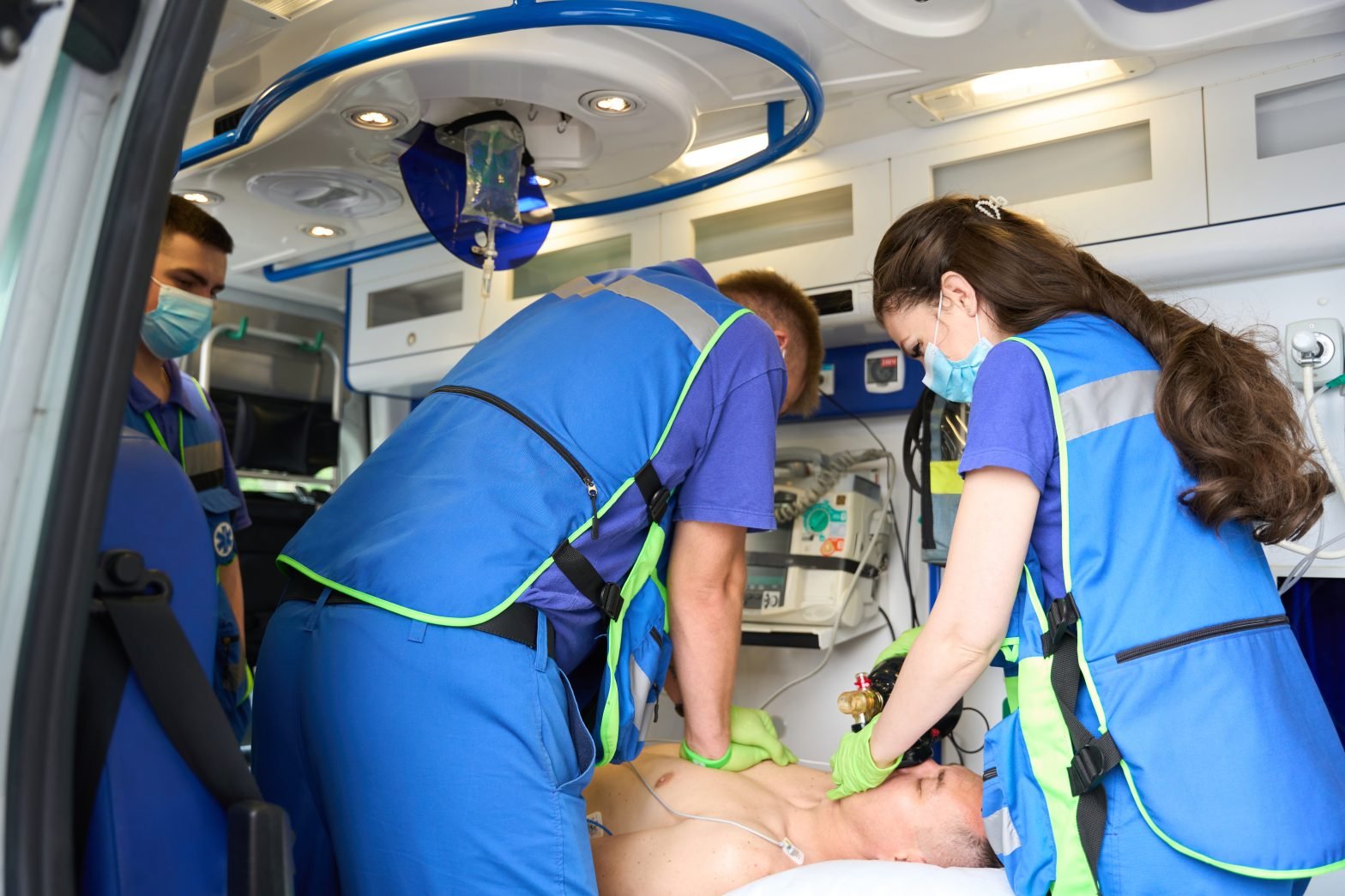
You don’t need a medical degree to make a life-saving difference.
What you do need?
Heart. Readiness. And a little bit of know-how.
Because in those first few critical moments of a crisis—when fear threatens to paralyze and the room turns silent—it’s not just doctors who save lives. It’s the teacher who remembers their CPR training. The neighbor who dials 911 with a steady voice. The bystander who holds a trembling hand and says, “You’re not alone.”
When medical care, emotional presence, and community response work in harmony, people aren’t just saved—they’re preserved with dignity.
And believe it or not, that power lives in you, too.
What Is Integrated Crisis Care—And Why Does It Matter?
In a real crisis, panic moves faster than logic. But clarity? That’s what saves lives.
Integrated crisis care means we treat the whole person—not just their injuries. It’s a strategy, yes. But more than that, it’s a mindset. A belief that life-saving support includes:
- Physical response
- Emotional presence
- Clear communication
- Community coordination
And that belief? It’s not just for professionals. It’s for anyone willing to show up when it counts.
What It Looks Like—In Real Life
Picture this: a community festival, full of laughter and music. Suddenly, someone collapses.
- A volunteer rushes over, begins CPR.
- Another calls emergency services—clearly, calmly.
- A nearby adult kneels next to a frightened child and gently says, “It’s going to be okay.”
That’s integrated care in motion. Not chaos—but a kind of quiet choreography.
Not perfection—but presence.
Not just medical response—but human response.
And it didn’t happen by chance. It happened because people were prepared.
Why Confidence Beats Chaos—Every Single Time
You’ve heard it: every second counts.
But what makes those seconds matter most isn’t superhuman instincts. It’s practice. It’s preparation.
You don’t need to know everything to make a difference.
You just need to know enough.
- Enough to recognize distress.
- Enough to check for a pulse.
- Enough to take action—until help arrives.
And in a moment of crisis, that “enough” becomes everything.
How to Show Up: A Quick Human Guide
Spot the Signs
- Obvious: A sudden fall, a cry for help, visible pain.
- Subtle: Confusion, slurred speech, a blank stare.
If something feels wrong, trust your gut. Step in.
First Moves, Real Impact
- Pause. Breathe. Your calm helps others steady.
- Call for help. Loud, clear, and specific.
- Scan the scene. Are they breathing? Conscious? In danger?
- Speak comfort. Even a few words—“I’m with you”—can ground someone in panic.
Speak Like a Lifeline (to 911 or EMS)
- Give your exact location.
- Describe what you see—what happened, what they’re doing or not doing.
- Stay on the line. Your voice is their eyes.
Life-Saving Skills Everyone Should Know
ABC: Airway. Breathing. Circulation.
- Airway – Is it blocked? Tilt the head if needed.
- Breathing – Look for movement. Listen. Feel.
- Circulation – Can you find a pulse? Is the skin cold or pale?
No breath? No pulse? Begin CPR. It’s terrifying the first time. Do it anyway.
Basic First Aid
Keep them warm. Keep them talking. Small actions make big differences. around the children. One life saved. Dozens emotionally supported. One community transformed.
Apply firm pressure to stop bleeding.
Elevate the wound, if safe.
AEDs: Made for Real People
Defibrillators save lives. They’re in schools, airports, gyms—and they talk you through everything. Just follow the prompts.
Every minute without defibrillation reduces survival by 10%.
But every minute with you—ready and brave—can turn the tide.
When Preparation Meets the Real World
Story 1: After the Storm
A tornado strikes a small town. The scene is chaos—until people begin to act.
Neighbors check on neighbors. First responders move with practiced calm.
A nurse staunches bleeding with her jacket. A pastor comforts a family in shock.
Later, the town reflects: “We were ready.”
Story 2: A School Becomes a Sanctuary
During a school assembly, a student collapses.
A teacher starts CPR. Another grabs the AED.
Counselors gather the children.
One child’s life is saved. Dozens of others feel safe again.
That school didn’t just respond—they transformed.
Your Turn: Be the Calm in the Chaos
Make a Family or Personal Plan
- Keep emergency contacts handy.
- Know where your nearest AED is.
- Teach your children. Loop in your partner or parents.
Learn the Basics
- Take a CPR course (many are online!).
- Watch a demo. Practice at a safety fair.
- Repetition builds confidence. Confidence saves lives.
Be the Spark Where You Are
Ask your workplace, school, or faith community:
“What’s our emergency plan?” You don’t need a title to be the voice that starts the conversation.
Your Questions, Answered
What’s the first thing to do in a crisis?
Ensure your safety. Then assess the person, call for help, and begin support.
How do I know it’s an emergency?
Use the ABCs—Airway, Breathing, Circulation. If one is missing, act immediately.
Where can I learn CPR or first aid?
Check with your local Red Cross, hospital, or community center. Many classes are low-cost or free.
Does technology help?
Absolutely. Smartwatches, medical apps, and AEDs can be lifesaving. Know how to use them—and teach others, too.
Final Thoughts: When Crisis Strikes, You Are the Response
You may never need these skills.
But if that moment ever arrives—in a park, a kitchen, or a hallway—you’ll never regret being prepared.
So take the class. Practice the plan. Speak up where silence lingers.
Because behind every well-oiled emergency system is a person who said,